
AI Price Optimization Software for Complex B2B Portfolios
Model your market. Predict their response. Optimize your margins.
Traditional pricing models can flatten meaningful differences in customer behavior. SmartOptimizer models price response, forecasts demand, and recommends prices based on your data, market conditions, business objectives, and pricing constraints.


Stop Guessing. Start Optimizing.
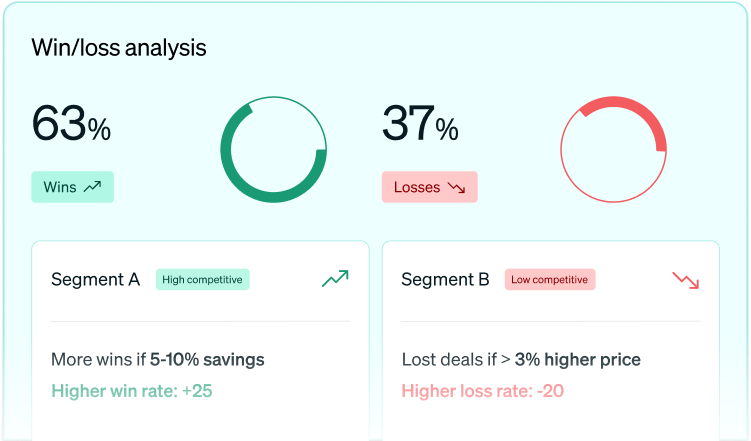
Customer response is rarely uniform across an enterprise portfolio. A price increase that works for one segment may lose volume in another, while broad averages can hide where customers are less price-sensitive than expected.
SmartOptimizer gives you a more granular view of customer behavior, expected demand, and the trade-offs between competing pricing objectives.

Understand What Drives Every Purchase Decision
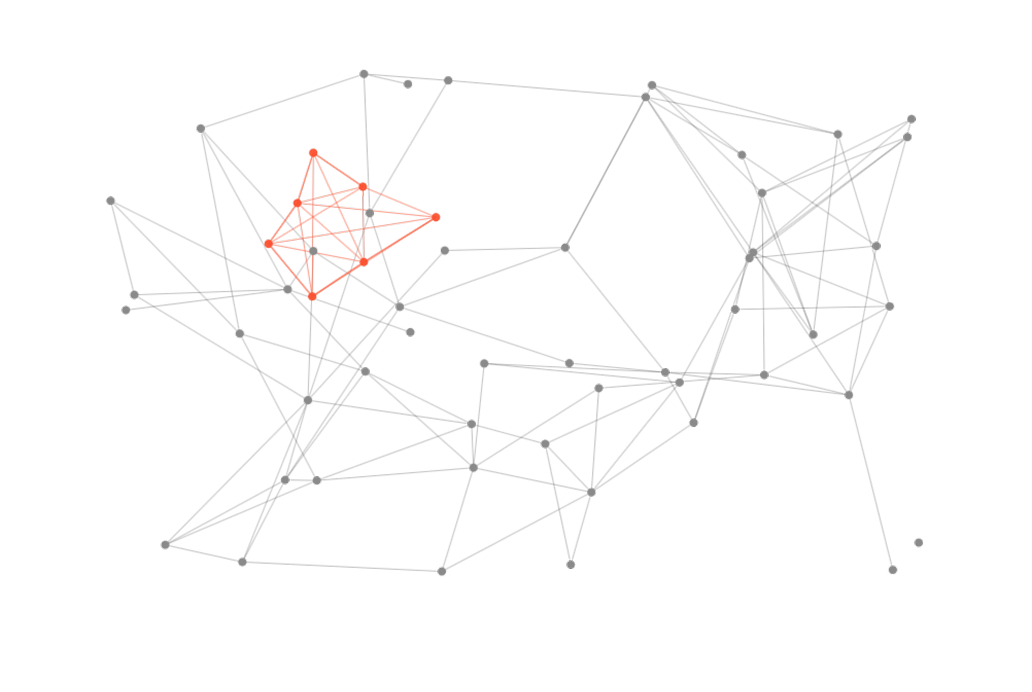
Identify customer and product segments with different buying patterns and price sensitivity. Machine learning models surface the attributes associated with those differences so you can see where pricing behavior is genuinely distinct instead of assuming the portfolio responds as one market.
Predict Demand Shifts before they happen
Build forecasts that account for internal patterns alongside external signals such as seasonality, market volatility, commodity movements, and other relevant indicators.
Optimize for your strategic objectives
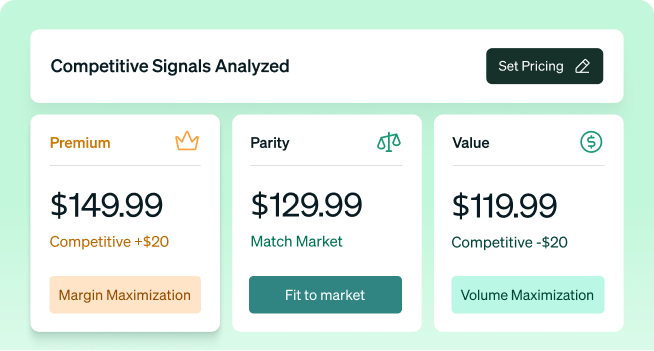
Set the commercial objective and the constraints around it. SmartOptimizer evaluates price alternatives against priorities such as margin, volume, revenue, and other business rules rather than optimizing toward a single universal target.
Dynamic AI Models that Power Strategic Pricing
SmartOptimizer models how different customers and products respond to price, identifies willingness-to-pay patterns, and turns those findings into pricing guidance you can evaluate before making a change.
- Discover Meaningful Buying Patterns
Use advanced ML models to identify customer and product segments with shared buying patterns and price sensitivity. - Understand What Drives Buyer Response
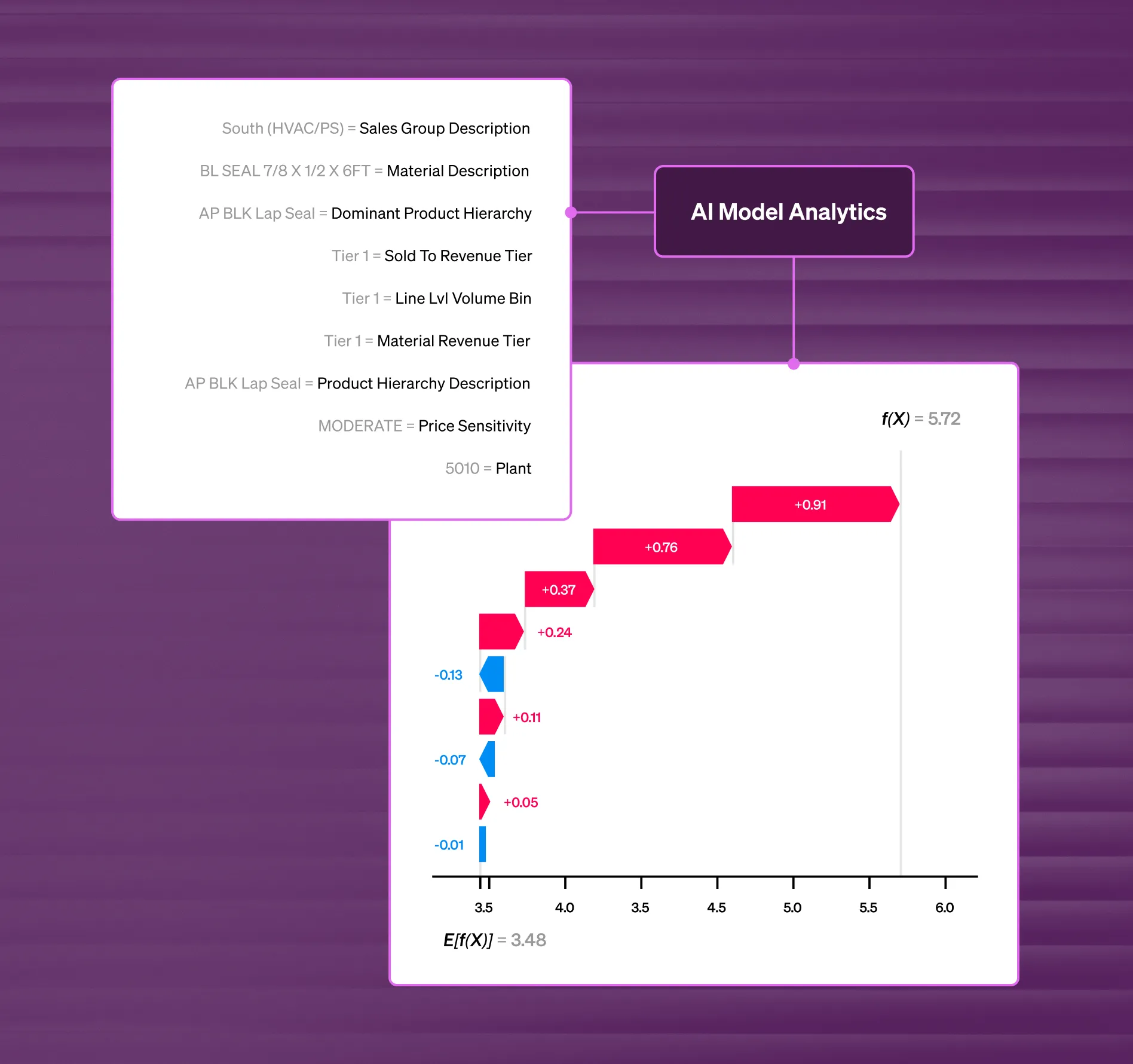
Use SHAP and LIME frameworks to surface the variables influencing customer response instead of treating the model recommendation as a black box. - Validate Pricing Strategies Before You Commit
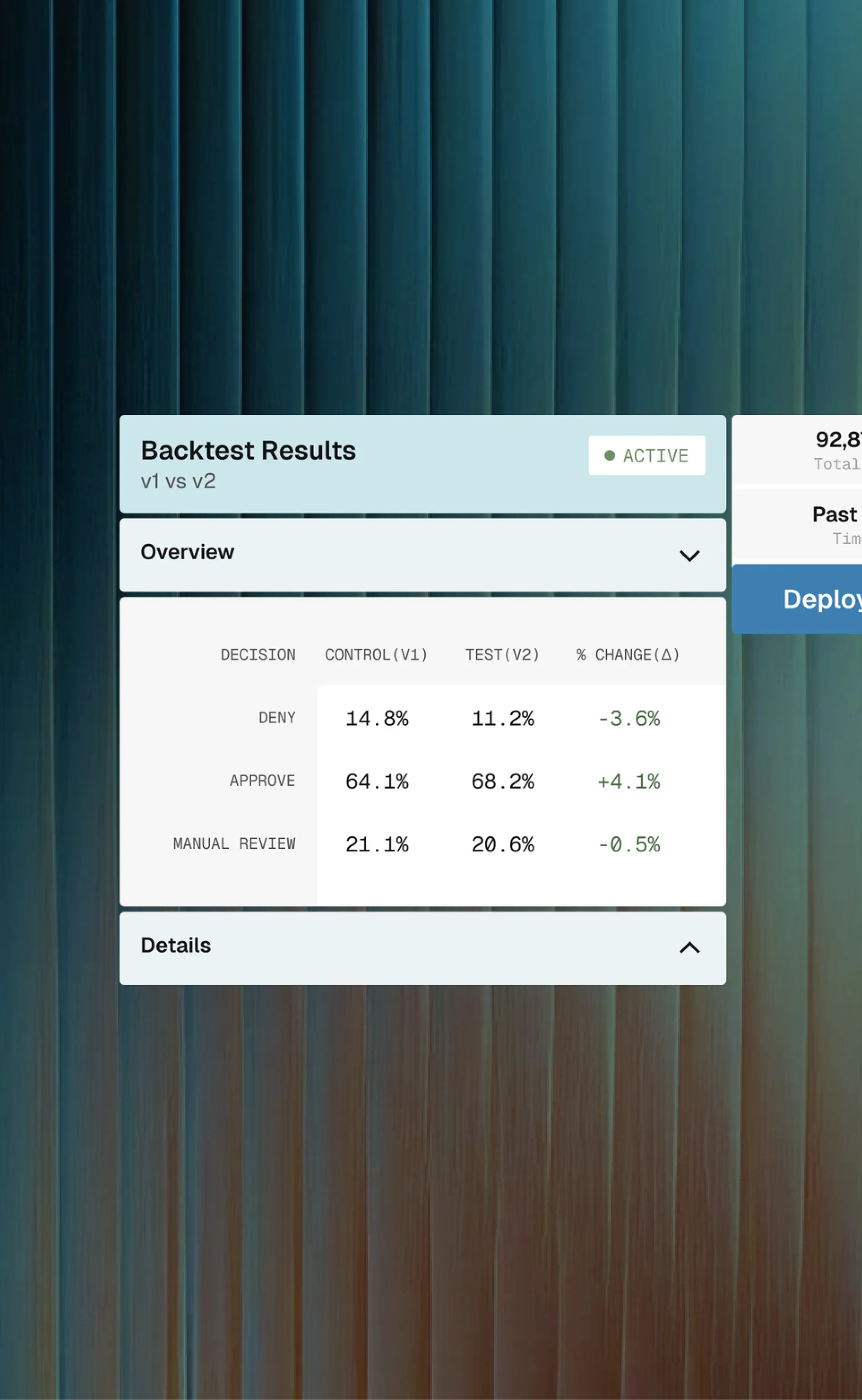
Compare alternative pricing strategies and their expected impact on revenue, volume, and price realization before putting a change into the market.

Predict Demand Before Market Shifts Hit Your Bottom Line
SmartOptimizer continuously learns from internal trends and relevant external indicators so your forecast can respond as conditions change rather than relying only on historical averages.
- Market-Aware Forecasting Models
Adaptive ML models can incorporate external signals such as commodity prices, GDP, and consumption trends to improve forecast precision. - Transparent Drivers of Demand
Test forecast scenarios for demand changes or market shocks and evaluate model performance using MAPE, MAE, RMSE, and confidence intervals.

Balance Optimization with Market Pressure
A mathematically optimal price is not useful if it ignores how your business actually operates. SmartOptimizer evaluates pricing options against customer behavior, market conditions, business objectives, and the constraints you define.
- Objective-driven Pricing
Configure multi-objective strategies around the outcomes you are pursuing and the rules that cannot be violated. - Know Why Every Recommendation Was Made
See the drivers and constraints behind the recommendation so pricing teams can review the logic before acting on it. - See the Impact of Every Price Path
Run simulations across alternative price strategies and compare projected changes in margin, revenue, and volume before selecting a path.


How SmartOptimizer Turns Data Into a Price Recommendation
1. Bring the Relevant Data Together
Use customer, product, transaction, market, and external data from the systems already supporting your pricing process.

2. Identify Meaningful Customer and Product Segments
Model differences in buying behavior, price sensitivity, and willingness to pay rather than applying one assumption across the entire portfolio.

3. Model Price Response and Demand
Estimate how demand may change at different price points and identify the variables contributing to that response.

4. Optimize Against Your Objectives and Constraints
Evaluate price alternatives against commercial goals and the business rules that define an acceptable recommendation.

5. Deliver the Recommendation Into the Pricing Workflow
Surface the recommended price and its supporting rationale where the pricing decision will be reviewed or executed.

Results Across Complex Pricing Environments
See How Your Portfolio Responds Before You Change the Price
Test SmartOptimizer against your own pricing data, customer segments, and commercial objectives.
Keep Optimization Connected to the Data It Depends On
Optimization models lose value quickly when product, customer, sales, or market data has to be moved manually between disconnected systems. SmartOptimizer can ingest data from the systems where it already lives and connect its recommendations with the broader Vistaar pricing environment.
Vistaar Ecosystem Integration
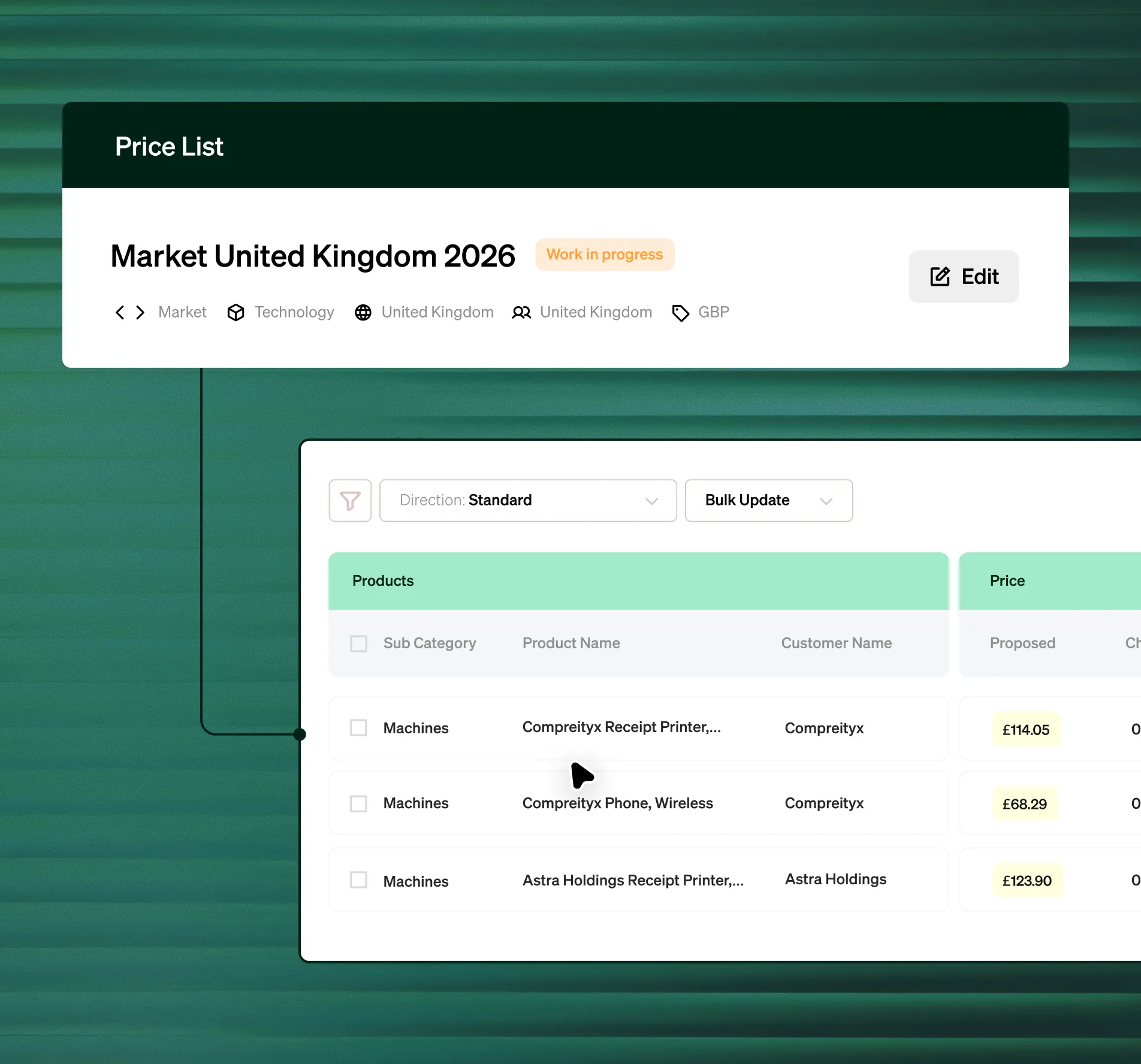
Connect SmartOptimizer with SmartPricing, SmartQuote, and SmartPromotions so optimization output can support the pricing, deal, and promotion workflows where decisions are executed.

Native SAP Integration
Connect to SAP for product, customer, and transaction data required by the optimization process.

Universal Connectivity
Bring in data from SAP, Oracle, Snowflake, Databricks, SQL databases, cloud data warehouses, CSV files, or Excel depending on the customer's existing architecture.
Vistaar's broader implementation approach starts by mapping the customer's existing technology stack and APIs and reusing what is already available rather than rebuilding every connection from scratch.

Not sure where to begin with price optimization?
You may have enough data to see the opportunity without being ready to commit to a full optimization program. SmartOptimizer Quick Start lets you test a focused pricing problem using your own data, work with Vistaar's pricing science team, and quantify the potential impact before making a broader investment.

A simple, proven place to start
Start with a defined part of your portfolio instead of trying to optimize every customer, product, and market at once.
Build forecasting or optimization models in weeks using your own data, without starting with a large-scale implementation.

Expert guidance without the heavy lift
Vistaar's pricing science team works with you to configure models, test assumptions, and interpret early results.
The work stays grounded in the commercial question you are trying to answer rather than producing a model that the business does not know how to use.
Quantify the Opportunity Before Expanding
Compare scenarios across margin, revenue, and volume to understand whether the optimization opportunity is large enough to justify a broader rollout.

Built on a Platform Designed for Enterprise Scale
SmartOptimizer runs on the Vistaar Platform, giving pricing teams the configuration, integration, and scale required to use optimization across large product, customer, and geographic portfolios.
Configure With Confidence
Set the objectives, calculations, workflows, and business rules relevant to your pricing process instead of rebuilding your operating model around the software.
Scale With Your Business
Whether you're pricing 500 SKUs or 50,000, the Vistaar Platform supports expansion across users, products, markets, and use cases.
Integrate With Your Existing Systems
Connect the optimization process with the enterprise systems already supporting product, customer, transaction, market, and pricing data.
Optimization Problems Change by Industry
Price sensitivity, data availability, commercial constraints, and the trade-offs between margin and volume look very different depending on how an industry goes to market.

CPQ FAQs
Price optimization software uses customer, product, transaction, market, and other relevant data to estimate price response and recommend prices that support defined business objectives. SmartOptimizer combines segmentation, demand forecasting, price-response modeling, scenario analysis, and optimization so teams can review both the recommended price and its expected commercial impact.
Price optimization helps determine what price may best support an objective, while price management governs how prices are maintained, approved, and executed across the business. SmartOptimizer focuses on predictive modeling, elasticity, demand forecasting, scenarios, and recommendations. SmartPricing manages enterprise pricing structures, rules, workflows, governance, and execution.
The data requirement depends on the optimization problem and level of recommendation being modeled. SmartOptimizer can work with customer, product, transaction, market, and external data sourced from enterprise systems, databases, warehouses, and files. Product/Price Science should confirm minimum historical-data guidance before publication rather than applying one generic requirement to every model.
Forecast accuracy depends on the data, market, model, forecast horizon, and level at which demand is being predicted. SmartOptimizer surfaces measures including MAPE, MAE, RMSE, and confidence intervals so pricing teams can evaluate forecast quality rather than relying on an unsupported universal accuracy percentage.
Yes. SmartOptimizer is designed to expose the drivers and constraints behind a recommendation. SHAP and LIME are used in the current product copy to explain price response, while scenario analysis lets teams compare the expected margin, revenue, and volume impact of different pricing strategies before deciding what to implement.
SmartOptimizer generates pricing recommendations based on the data, models, objectives, and constraints configured for the use case. Your team still defines the commercial objective and governance around how those recommendations are used. Sabitra describes predictive AI as doing the analytical work while the business retains responsibility for model criteria and configuration.
SmartOptimizer Quick Start is designed to build a focused forecasting or optimization model in weeks, using your own data. The exact timeline depends on data readiness, scope, model configuration, and validation. Product/Price Science should provide the approved phase-level timeline before a more specific claim is published.
SmartOptimizer pricing depends on the scope of the optimization program and the commercial agreement with Vistaar.
Read More About Vistaar and the Work We Do

Let Routine Quotes Move.
Put the Right Exceptions.
In Front of the Right People.
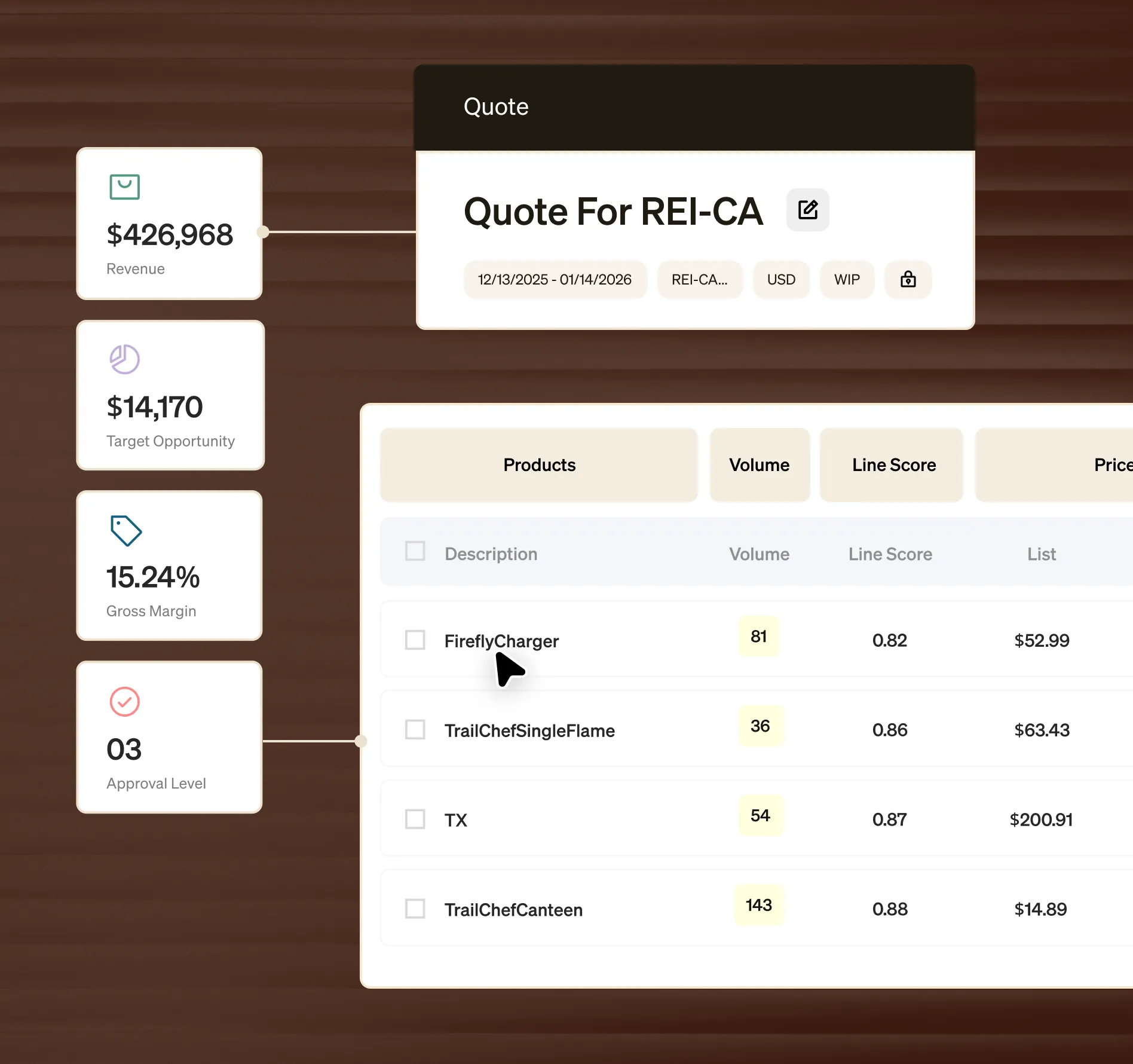
See how SmartQuote can apply your pricing guidance, margin rules, and approval thresholds without adding another manual review to every deal.
Ready To Price With Confidence?